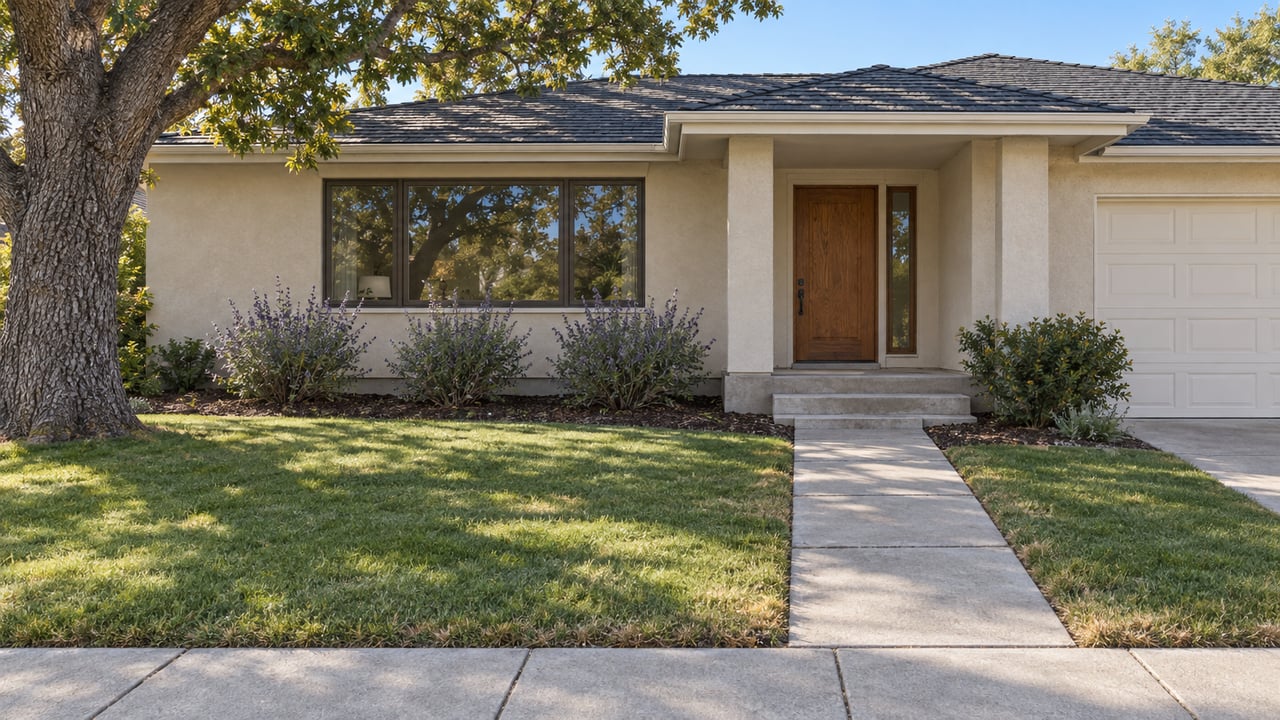
Living in the East Bay means enjoying beautiful open spaces, rolling hills and established neighborhoods surrounded by mature landscaping. It also means wildfire preparedness is an important part of caring for our homes and communities.
The good news is that preparation doesn’t have to happen all at once. From clearing leaves around the house to reviewing an evacuation plan, there are practical steps homeowners can take to reduce vulnerabilities and be better prepared.
Start With Defensible Space
Defensible space is the buffer created between a home and the surrounding vegetation and other combustible materials. Its purpose is to help slow the spread of wildfire, reduce exposure to flames and embers, and provide firefighters with a safer area in which to work.
CAL FIRE breaks defensible space into three areas around the home:
Zone 0: 0–5 Feet
The area immediately surrounding your home is particularly important because wind-blown embers can ignite combustible materials close to a structure.
CAL FIRE recommends keeping this area as ember-resistant as possible. Practical steps include removing leaves and debris from roofs, gutters, decks and porches; keeping firewood and lumber away from the home; limiting combustible items on decks; and considering hardscape materials such as gravel, pavers or concrete immediately around structures.
California is in the process of finalizing regulations for the state's Zone 0 requirements, so homeowners should check current state and local guidance when planning work around their property.
Zone 1: 5–30 Feet
Moving farther from the home, the focus becomes keeping the landscape lean, clean and green.
Remove dead plants, grass, weeds and dry leaves, and regularly trim trees and shrubs. Creating separation between vegetation and combustible items such as outdoor furniture and wood piles can help interrupt potential pathways for fire toward the home.
This doesn't mean eliminating your landscaping. Thoughtful maintenance and spacing can make a meaningful difference while still allowing you to enjoy an attractive yard.
Zone 2: 30–100 Feet
In the outer zone, the goal is to reduce the amount and continuity of potential fuel.
CAL FIRE recommends keeping annual grasses to a maximum height of four inches, creating appropriate horizontal and vertical spacing between vegetation, pruning lower tree branches and removing accumulations of dead plant material. Properties with wood piles, propane tanks or outbuildings require additional attention around those areas.
Local requirements can sometimes be more stringent than statewide minimums, so homeowners should also check with their local fire district.
Don't Forget the House Itself
Landscaping is only part of wildfire preparedness.
Home hardening refers to improvements that make a structure more resistant to flying embers, radiant heat and direct flame. CAL FIRE recommends combining defensible space with home-hardening measures to give a property a better chance of withstanding wildfire.
A good place to start is simply looking around your property with fresh eyes:
- Are leaves or pine needles collecting in the gutters or on the roof?
- Are tree branches touching or overhanging the house?
- Is combustible material stored immediately beside the home?
- Are there gaps or vulnerable areas where embers could potentially enter?
- Is vegetation being regularly maintained and cleared?
Small maintenance jobs can easily disappear onto the bottom of the household to-do list, but tackling them periodically can make wildfire preparedness much more manageable.
Have a Plan Before You Need One
Preparing the property is important, but so is preparing the people who live there.
CAL FIRE recommends creating a Wildfire Action Plan that covers your household, pets and evacuation arrangements. An emergency supply kit should be prepared for each person, along with a family communication plan containing important contact and evacuation information.
It is also worth knowing your evacuation routes and signing up for emergency alerts before an incident occurs. If an evacuation order is issued, CAL FIRE advises leaving promptly rather than waiting to see how conditions develop.
Firewise Starts With Community
Wildfire preparedness doesn't stop at the property line.
The Firewise USA® program provides a framework through which neighbors can work together to identify wildfire risks and take steps to improve the fire resistance of their homes and community.
Contra Costa County Fire Protection District supports the program locally and describes the process as Organize It, Plan It and Do It. Neighborhoods that meet the program's voluntary annual criteria can become recognized Firewise USA communities.
For communities throughout the East Bay, that collaborative approach can be particularly valuable. One well-maintained property helps, but neighbors working together can address risks across a much larger area.
A Little Preparation Goes a Long Way
Wildfire preparedness can sound like a daunting project, but it doesn't need to be approached that way. Start immediately around your home. Clear the gutters. Remove accumulated leaves and dry vegetation. Take another look at landscaping and combustible materials. Review your evacuation plan.
Then keep working outward.
Taking practical steps throughout the year can help create a more resilient home and, when neighbors do the same, a better-prepared community.
Helpful Resources:
CAL FIRE Get Ready
Contra Costa County Fire Protection District – Firewise USA®
Board of Forestry - Defensible Zones
Wildfire conditions, regulations and property requirements vary by location. Always consult CAL FIRE and your local fire protection agency for current guidance applicable to your property.